
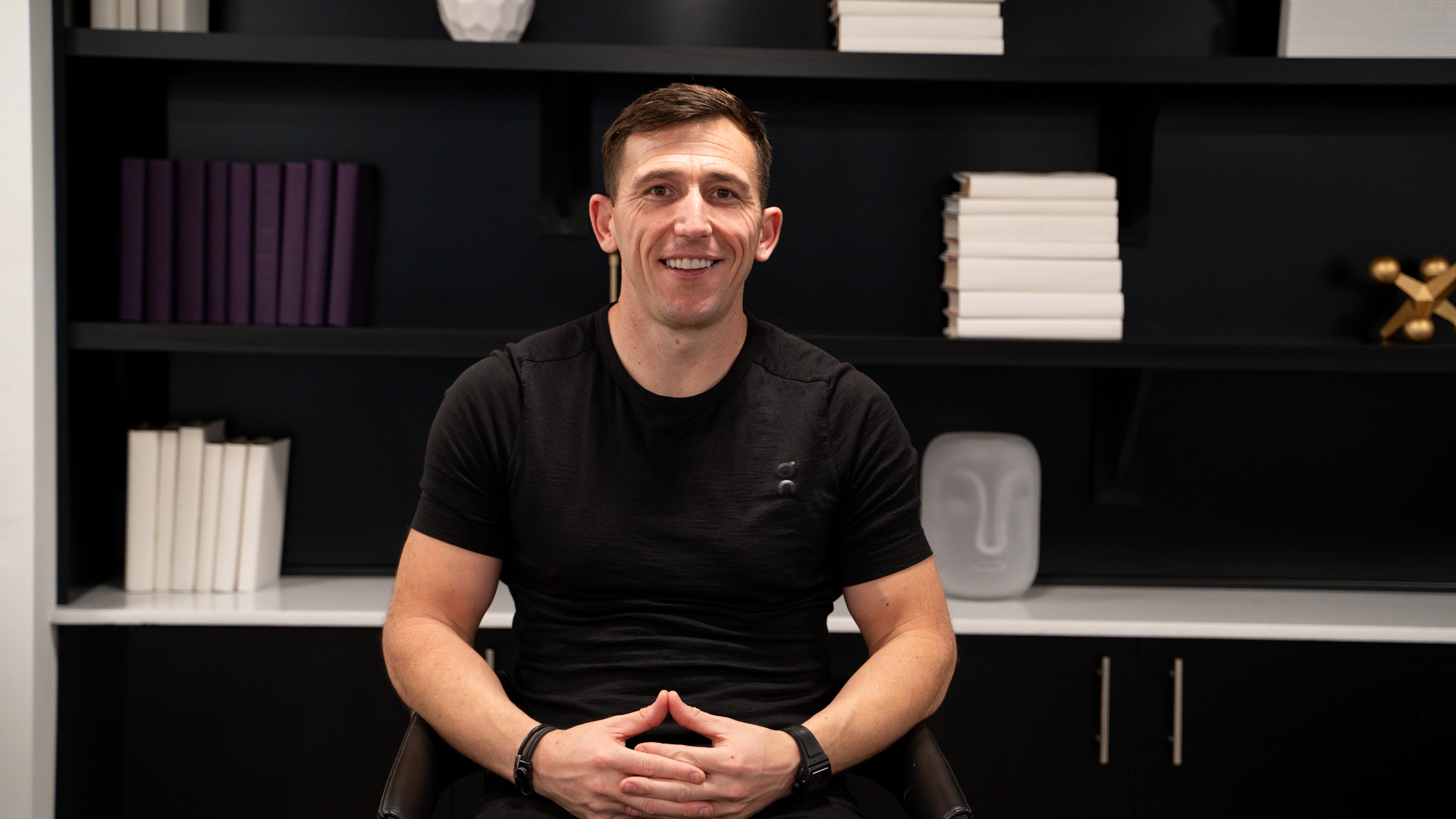
The Skeletal Renaissance: How Gary Rhodes is Rewriting the Narrative of Human Aging
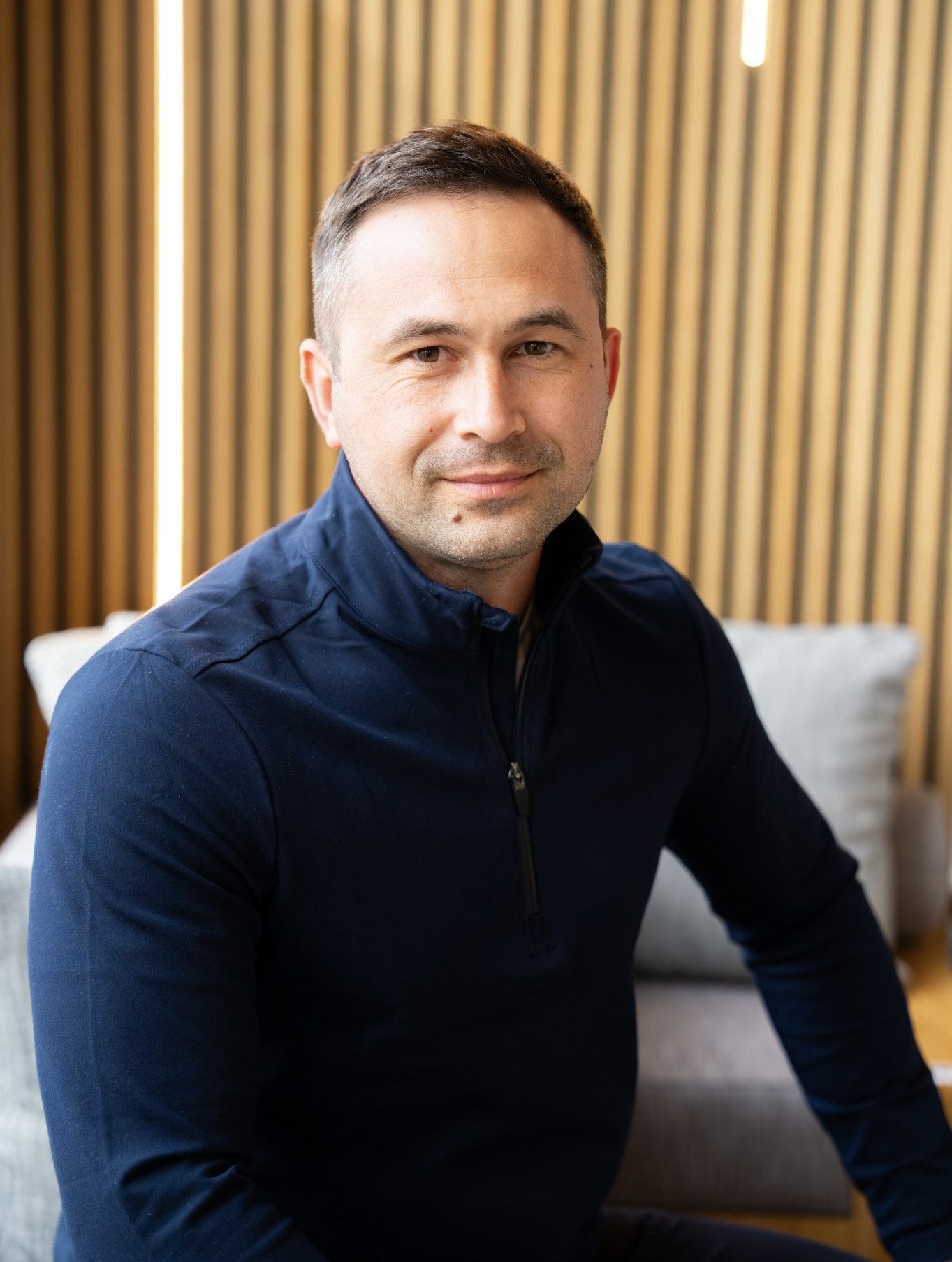
A Crisis Hiding in Plain Sight
Every three seconds, someone in the world suffers an osteoporotic fracture. It is a silent epidemic — one that claims more lives among women over 50 than breast cancer, heart attacks, and strokes combined. Yet for decades, the healthcare system has treated bone health as an afterthought, something addressed only after a wrist snaps, a hip gives way, or a vertebra quietly collapses under its own weight.
Gary Rhodes believes that narrative is not just outdated — it is dangerous. And he is building a global movement to rewrite it.
TEST
From Performance Science to Bone Health Pioneer
Rhodes is not a physician. He is not a researcher with a string of letters after his name. What he is, by every measure that matters, is a catalyst — a technology evangelist who saw a fundamental gap between what science could measure and what medicine was actually measuring, and decided to close it.
As the Founder of Screen My Bones® and Global Director at Performance Health Systems, Rhodes has spent the better part of a decade evangelizing a simple but radical idea: we should not wait for bones to break before we pay attention to them.
"Osteoporosis is not a disease," Rhodes has said in public presentations. "It is a deconditioning of the bone — and like muscle, it can be reconditioned through proper intervention." It is a reframing that challenges decades of clinical convention, and it is backed by an increasingly persuasive body of evidence.
The DEXA Problem: Measuring the Wrong Thing
For over 30 years, the standard tool for bone assessment has been the DEXA scan — Dual-energy X-ray Absorptiometry. DEXA measures bone mineral density (BMD), producing a T-score that classifies patients as normal, osteopenic, or osteoporotic. It is widely available, relatively inexpensive, and deeply embedded in clinical guidelines worldwide.
It is also, according to a growing chorus of experts, dangerously incomplete.
DEXA tells you how much mineral is in the bone. What a T-score does not report is how that bone is constructed: whether a dense bone is also brittle, or a less dense one structurally resilient, and whether the microarchitecture has begun to deteriorate. Those are different questions from the one density answers.
The result is a diagnostic landscape riddled with false confidence. Patients with "normal" DEXA scores fracture. Patients labeled osteoporotic sometimes never do. The T-score, for all its ubiquity, captures only one dimension of a multi-dimensional problem.
Enter REMS: What an Ultrasound Reading Adds
Radiofrequency Echographic Multi-Spectrometry (REMS) represents a fundamentally different approach to skeletal assessment. Developed by the Italian medical technology company Echolight, REMS uses ultrasound to evaluate bone at both the density and quality level.
Where DEXA provides a single metric (BMD), REMS delivers a comprehensive skeletal portrait:
BMD measurements at the lumbar spine and femoral neck — the same sites DEXA scans, ensuring clinical comparability
A Fragility Score that integrates bone microarchitecture, cortical thickness, and structural integrity into a single risk metric
An ultrasound reading that can be repeated as often as a clinician finds useful
Body composition analysis including muscle mass, visceral fat, and sarcopenia risk — critical factors in fall risk and overall aging
"Traditional bone density assessments like DEXA scans primarily measure BMD but often overlook critical factors like bone quality and structural integrity," Rhodes explains. "This limitation can lead to false diagnoses. Echolight REMS technology addresses these shortcomings by providing a comprehensive evaluation integrating both BMD and bone quality assessments."
Screen My Bones: Making the Invisible Visible
Rhodes founded Screen My Bones® with a deceptively simple mission: make advanced bone health assessment accessible to everyone, not just those already in the clinical pipeline.
The initiative operates at the intersection of technology, education, and direct-to-consumer health access. Rather than waiting for patients to present with fractures — the current default — Screen My Bones positions REMS assessment as a proactive wellness tool, something as routine as a cholesterol check or blood pressure reading.
It is a model that resonates particularly with three demographics:
Women approaching or in menopause, who face accelerated bone loss but often receive no screening until their 60s or later
Athletes and fitness enthusiasts, who assume their active lifestyles protect their bones but may be undermining them through overtraining, caloric restriction, or hormonal disruption
Families with osteoporosis history, who carry genetic risk factors but lack accessible ultrasound screening options for younger members
The Numbers Behind the Movement
The scale of the bone health crisis is staggering, and it is growing:
200 million people worldwide are estimated to have osteoporosis
8.9 million fractures occur annually due to osteoporosis — one every 3 seconds
Only 20% of high-risk patients receive appropriate screening or treatment
Hip fracture mortality in the first year ranges from 20–30% among the elderly
The global economic burden of osteoporotic fractures exceeds $37 billion annually in direct costs alone
These are not abstract statistics. They represent real people — grandmothers, mothers, athletes, professionals — whose lives are permanently altered by fractures that could have been predicted and prevented.
A New Framework for Aging
What makes Rhodes's vision genuinely transformative is not just the technology he champions, but the paradigm shift he demands. He is not asking for better treatment of osteoporosis. He is asking us to stop thinking about bone health as a disease state and start thinking about it as a modifiable condition — one that responds to exercise, nutrition, hormonal optimization, and early intervention.
This framing aligns with a broader movement in medicine: the shift from reactive sick-care to proactive health optimization. In this model, a REMS scan at 40 is not an act of anxiety — it is an act of intelligence. Knowing your bone quality score, your fragility risk, and your body composition gives you a decade-long head start on interventions that can genuinely change outcomes.
"We don't wait until the engine fails to check the oil," Rhodes often says. "Why do we wait until the skeleton fails to check the bone?"
The Road Ahead
Rhodes and the Screen My Bones team are not stopping at awareness. The initiative is actively expanding its global footprint, partnering with preventive health clinics, longevity medicine practices, and wellness centers to embed REMS technology into routine care pathways.
In the United States, HALLĒ has emerged as a key partner in this mission, bringing REMS-based assessment to communities across the country through its network of clinical locations. The model combines the technology Rhodes champions with the clinical expertise and personalized care plans that translate assessment data into actionable health strategies.
For Rhodes, the ultimate measure of success is not how many scans are performed, but how many fractures are prevented. How many women in their 50s discover compromised bone quality early enough to reverse it. How many families are spared the devastating cascade that begins with a single, preventable fracture.
The Skeletal Renaissance
The title of this article is not hyperbole. What Gary Rhodes is building — with Screen My Bones, with REMS technology, with an unrelenting insistence that bone health deserves the same attention as heart health or metabolic health — is nothing less than a renaissance in how we understand and care for the human skeleton.
It is a movement built on a fundamental insight: the skeleton is not a static structure. It is a living, dynamic organ system that responds to how we live, how we move, and how we choose to monitor it.
The question is no longer whether we have the technology to see bone health clearly. We do. The question is whether we have the will to look.
Medical Disclaimer: All educational content provided by HALLĒ is for informational purposes only and should not be construed as medical advice. Always consult with a qualified healthcare professional before making decisions about your health. The information presented may not apply to your individual circumstances.
Rate this article
Evidence-based bone health education from the HALLĒ clinical team.